Follow the 7 Rules
- Basic Rules for Water Surface Use
- 1. Low-Speed/Restricted Zones
- 2. Navigate safely and considerately
- 3. Avoid behavior that causes problems for commercial fishing operations
- 4. Avoid behavior that interferes with river management
-
5.
Avoid behavior that causes problems for
other people -
6.
Avoid behavior that causes problems for
local residents -
7.
Avoid behavior that could degrade the
river environment
Basic Rules
-
1
Follow laws and regulations
People who use watercraft on the rivers must navigate in a safe, orderly fashion, with proper licenses and the like.
All watercraft that pass through the lower reaches of the Kiso Three Rivers are subject to the River Act, the Act on Preventing Collisions at Sea, the Act on Port Regulations, the Prefectural Public Nuisance Ordinance and other laws. -
2
Follow proper etiquette
To make the lower reaches of the Kiso Three Rivers safe and enjoyable for all, everyone on the water should be considerate and avoid causing problems for other people.
-
3
At your own risk
Being on the water always involves risk. Thus, everyone on the water must take it upon themselves to exercise caution accordingly.
-
4
Protect the environment
Rivers are invaluable places for cultivating nature.
Everyone should constantly be mindful to avoid disrupting the workings of nature.
Low-Speed/Restricted Zones
rule 1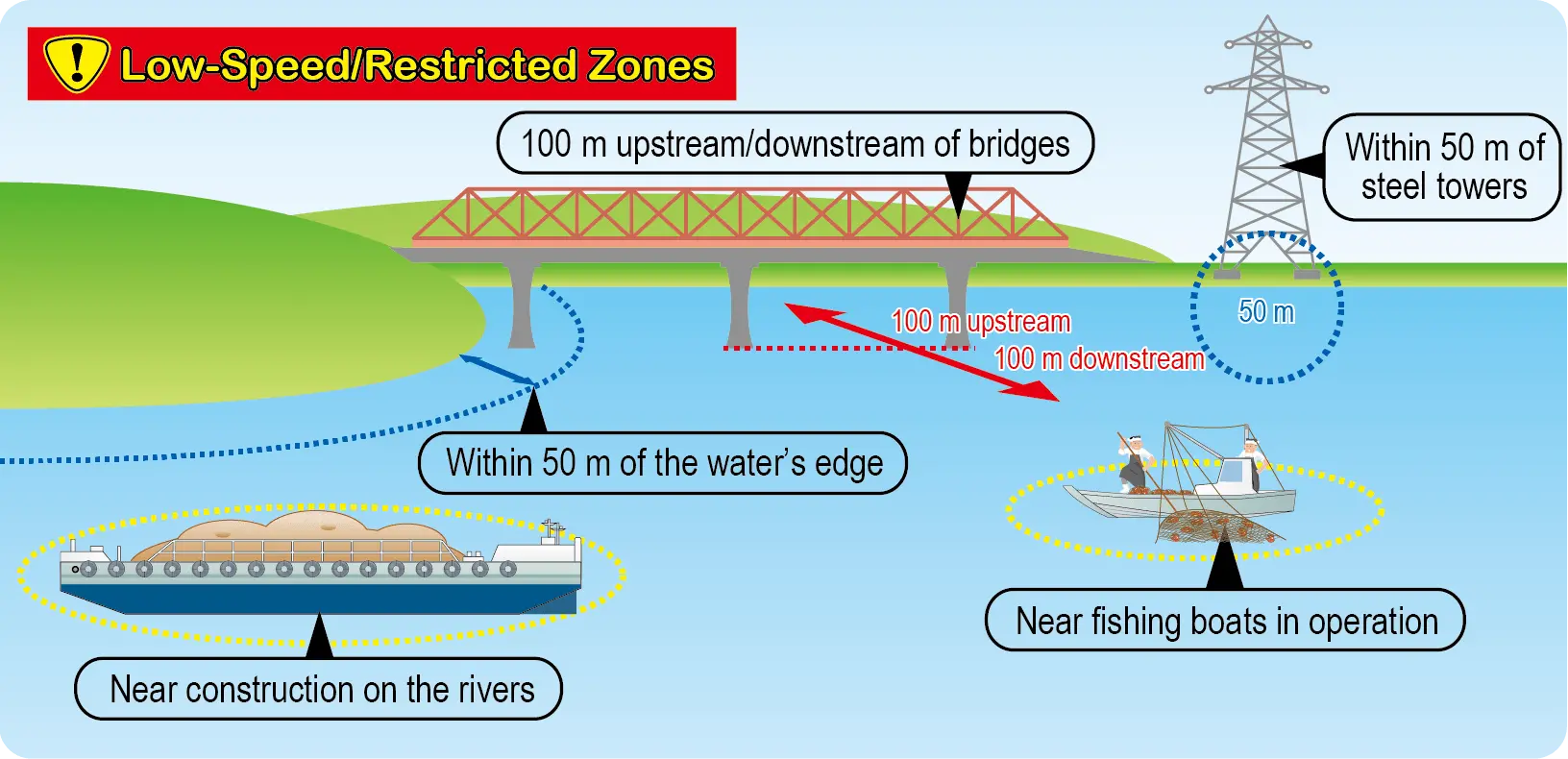
Navigate safely and considerately
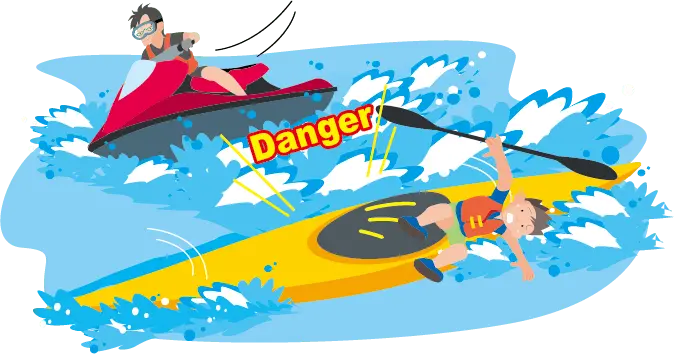
rule 2- Obey the Act on Preventing Collisions at Sea, the Act on Port Regulations, and other laws on maritime transportation.
- Pay extra attention to your wake when passing near canoes, regattas and other manually powered watercraft.
Avoid behavior that causes problems for
commercial fishing operations
rule 3
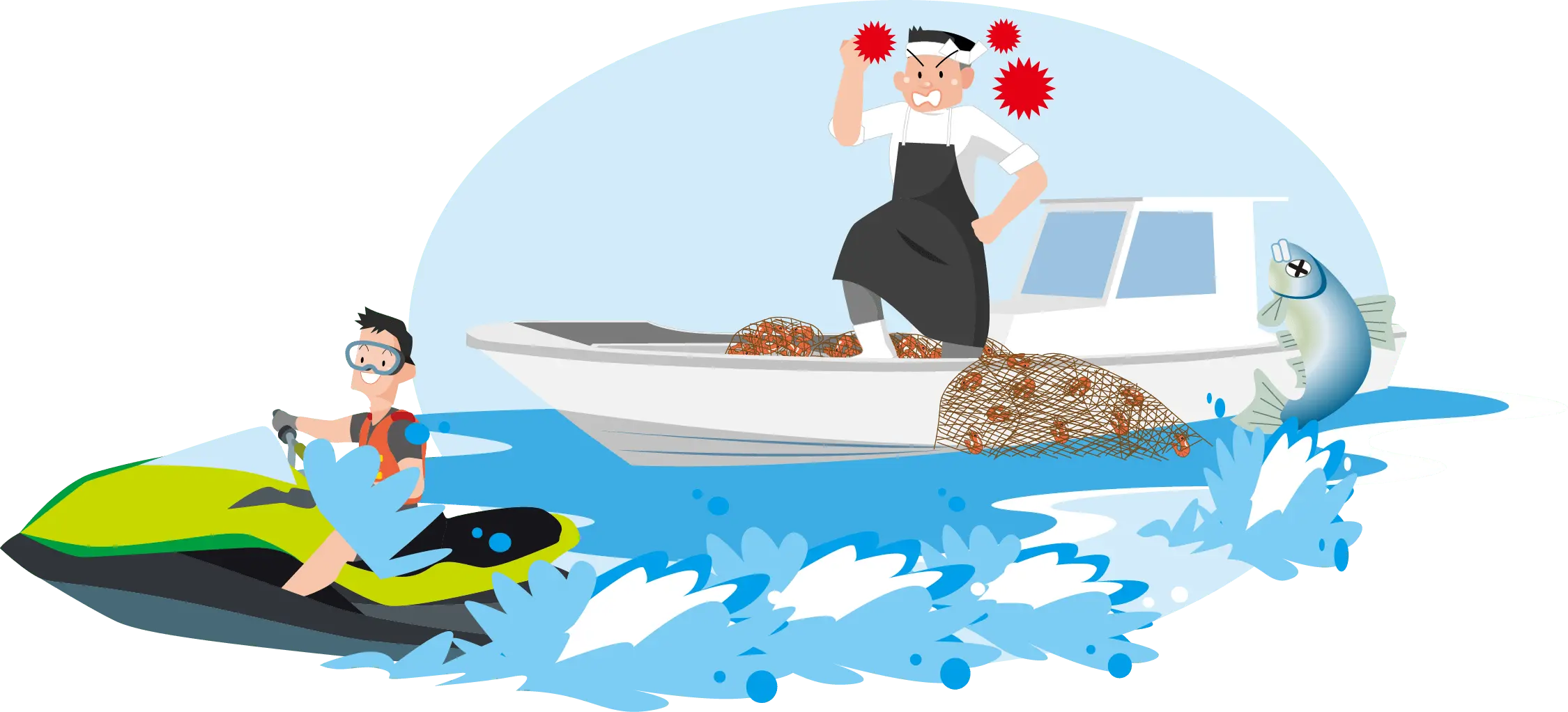
- Exercise caution—various commercial fishing operations are underway in the Kiso Three Rivers.
- Do not wander near or fish around the seaweed farms at the river mouths.
- Avoid behavior that damages moored fishing boats, fishing nets and other fishing equipment.
-
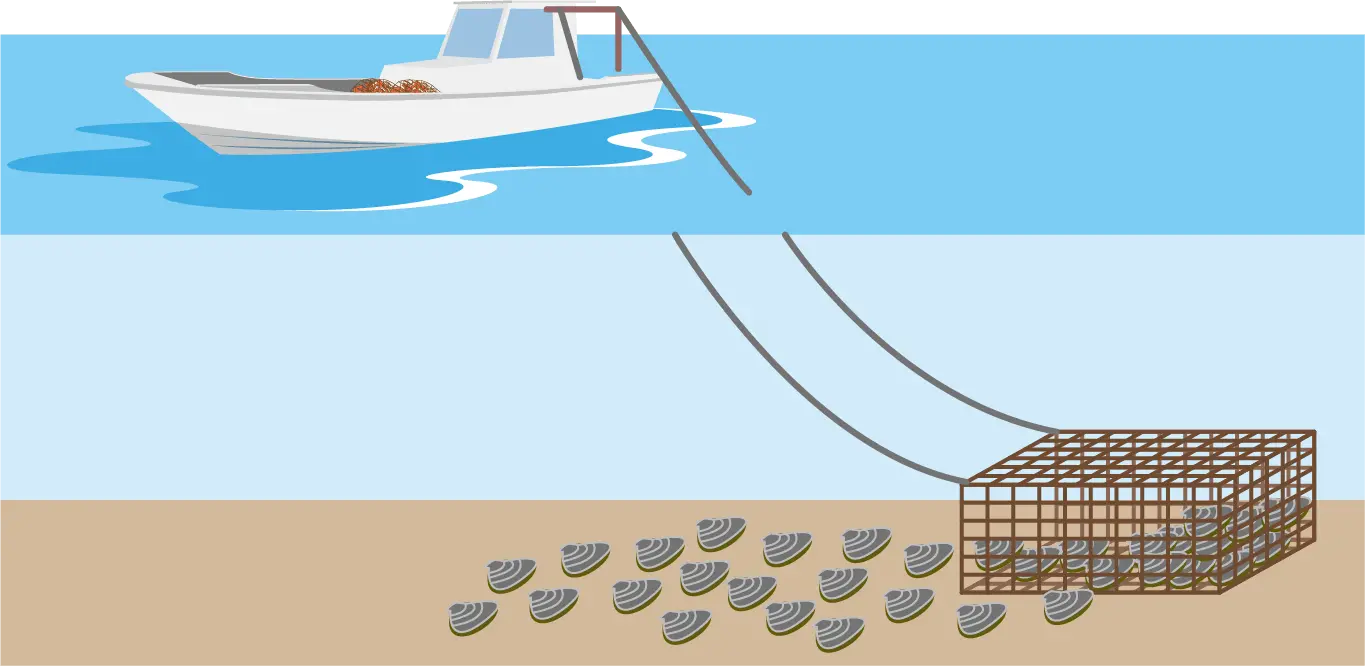
Freshwater clam fishing is done frequently throughout the year in all areas of the Kiso Three Rivers.
Freshwater Clam Fishing
-
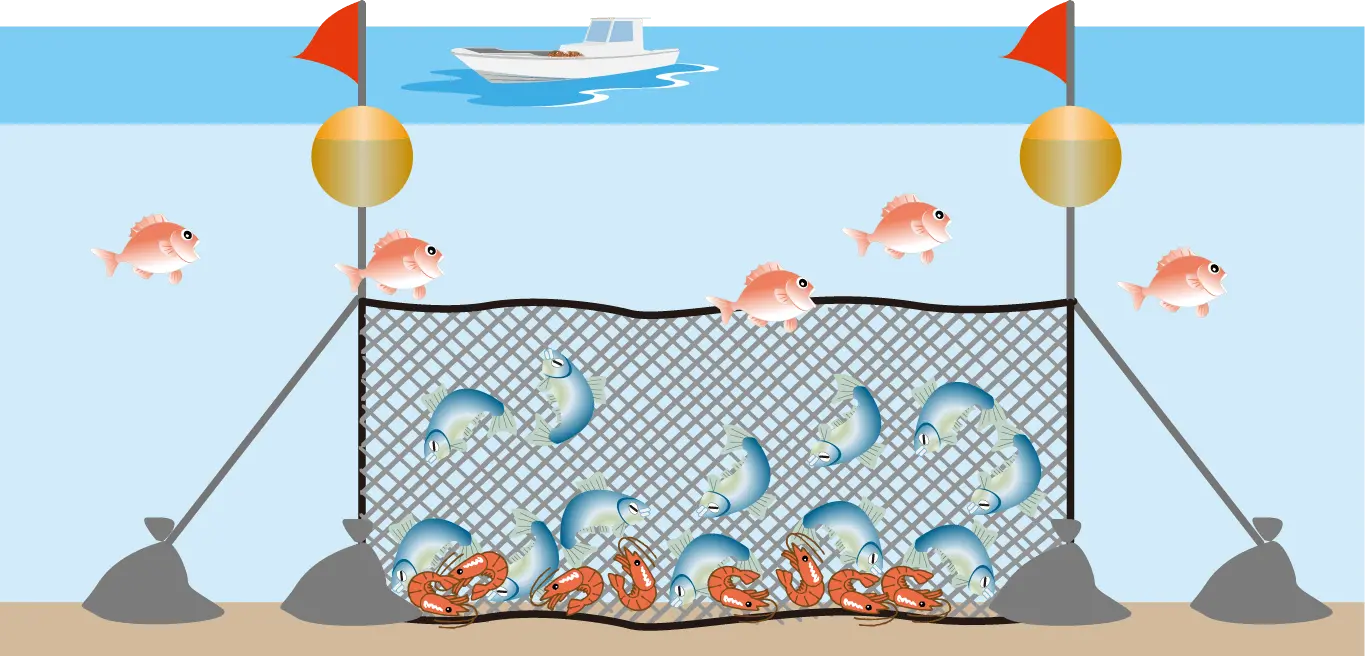
Fishing Along Riverbanks
A multitude of gill nets and other fishing equipment and nets are set up along the riverbanks in all areas of the Kiso Three Rivers.
Gillnetting
-
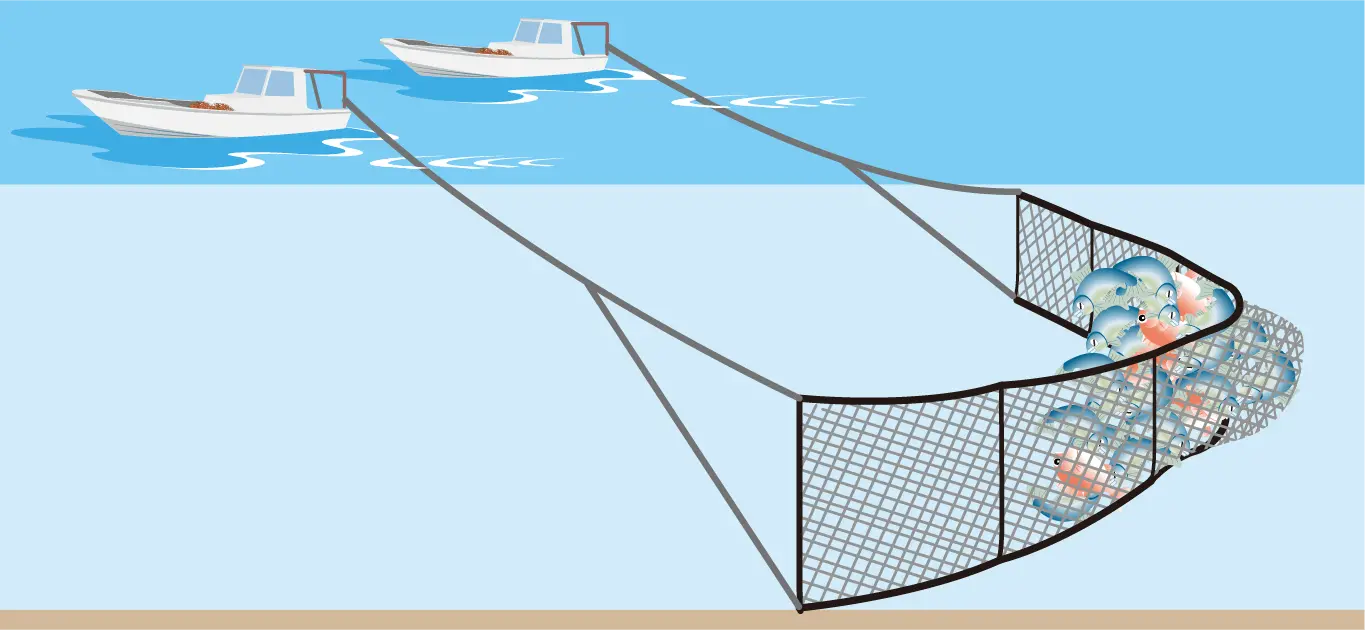
Japanese Icefish Fishing and Seaweed Farming
From January 4 to April 30 each year, Japanese icefish fishing is done on the Kiso Three Rivers downstream of National Highway 1. In addition, seaweed farmers’ fishing boats frequent the area from September to April.
Japanese Icefish Fishing
-
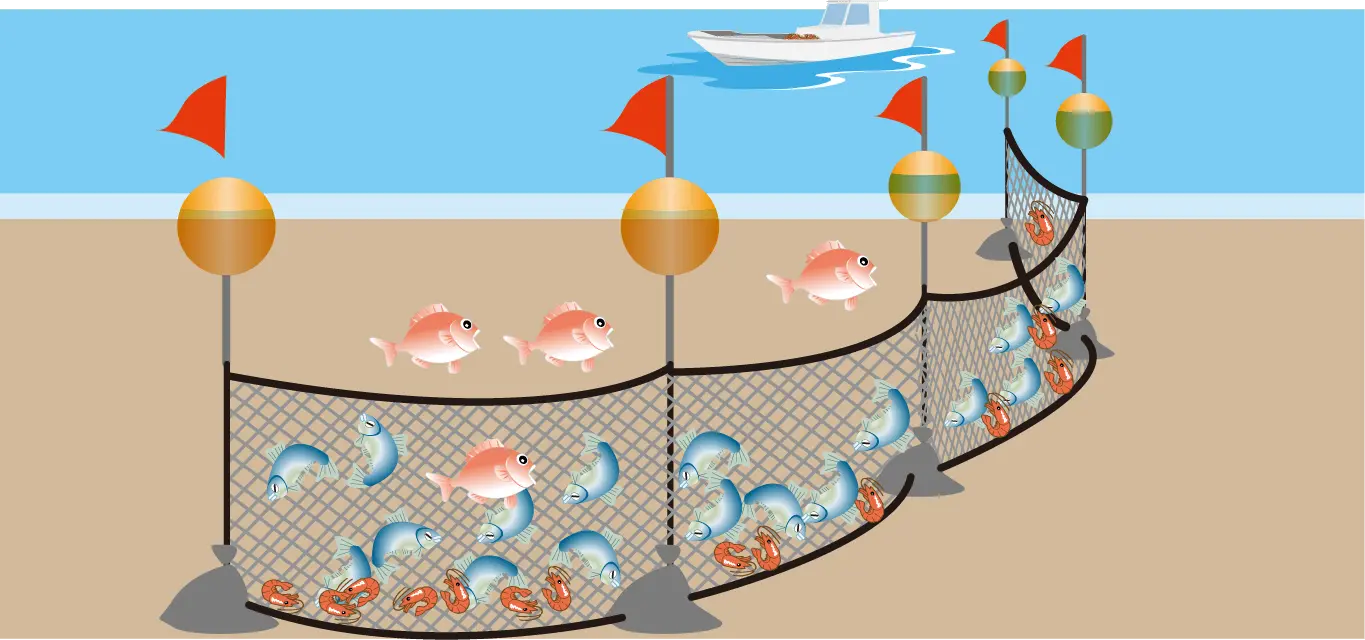
Net Fishing
Nets are strung across wide areas of the channels of the Kiso River and Nagara River upstream of the Tokai Bridge for net fishing throughout the year.
Net Fishing
Freshwater Clam Fishing
Gillnetting
Japanese Icefish Fishing
Net Fishing
Avoid behavior that interferes with river
management
rule 4
- Do not install mooring facilities on the river without permission.
- Do not moor or leave watercraft on the river for long periods of time.
- Do not wander, dock, moor or leave watercraft near floodgates, sluiceways and other river management facilities.
- Do not use mooring rings or posts in fishing harbors or docks without authorization.
Avoid behavior that causes problems for
other people
rule 5
- Always take your buoys home with you.
- Avoid causing problems for authorized users at docks and other designated areas.
- During triathlons and other competitions, follow the instructions of event personnel.
- Do not tow uninspected vehicles or vehicles with expired inspection certificates.
Avoid behavior that causes problems for
local residents
rule 6
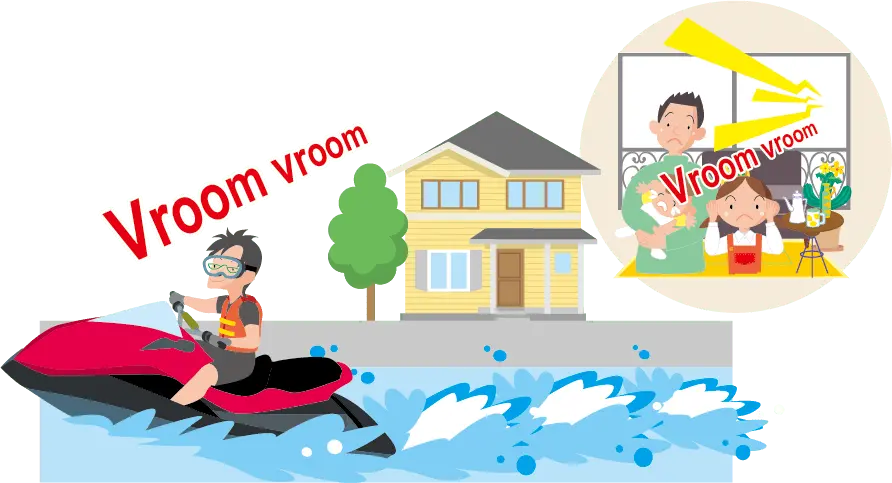
- Do not needlessly idle watercraft engines or alter them in ways that cause a nuisance.
- Do not park inconsiderately on roads atop embankments or community roads in the area.
- Do not drive recklessly in riverbeds.
- Do not make excessive noise at any time during day or night.
Avoid behavior that could degrade the river environment
rule 7- Always take trash, oils and other waste home with you.
- Always take fishing lines, fishing hooks and other equipment home with you.
- Do not refuel watercraft in dangerous or unstable places on the water.
- Avoid trampling through the reed fields, vegetation and other invaluable natural scenery along the riverbanks.
- During autumn and winter, the Kiso Three Rivers are a wintering area for waterfowl. The areas upstream of Tatsuta Bridge and Nagaragawa Bridge are particularly important wintering areas, so do not drive at high speeds or wander into those areas from December to March.